

Dental Extractions in Derwood, MD
Dental Extractions
We understand that having a tooth removed can make some patients feel nervous or uncertain. At Stream Valley Dental, we take a gentle, patient-centered approach to dental extractions, taking the time to explain what to expect and answer your questions before beginning treatment. When an extraction is necessary, our goal is to make the experience as comfortable and straightforward as possible while helping you feel informed and at ease throughout your visit.
Focused on Your Comfort
Before removing a tooth, we carefully evaluate the area and use local anesthetic to thoroughly numb the tooth and surrounding tissues. We check that you are comfortable before beginning and work carefully throughout the procedure to minimize discomfort and protect the surrounding tissues. We also understand that every patient has a different level of comfort with dental treatment, so we encourage you to communicate with us at any point if you need a break or have concerns.
At Stream Valley Dental in Derwood, Maryland, we provide dental extractions for patients throughout Derwood, Rockville, Gaithersburg, and surrounding Montgomery County communities.
Supporting a Comfortable Recovery
Your care continues after the tooth has been removed. We provide clear instructions for caring for the extraction site at home and explain what you can expect during the healing process. We are also available to answer questions or address concerns that may arise after your appointment. Our goal is to help you feel prepared and confident as you recover.
When a Specialist May Be Recommended
Your safety and well-being always come first. While we perform many routine dental extractions in our office, some teeth may require more complex surgical care. If we determine that an extraction would be better managed by an oral surgeon or another dental specialist, we will discuss this with you and provide an appropriate referral so you can receive the level of care your situation requires.
When Is a Tooth Extraction Necessary?
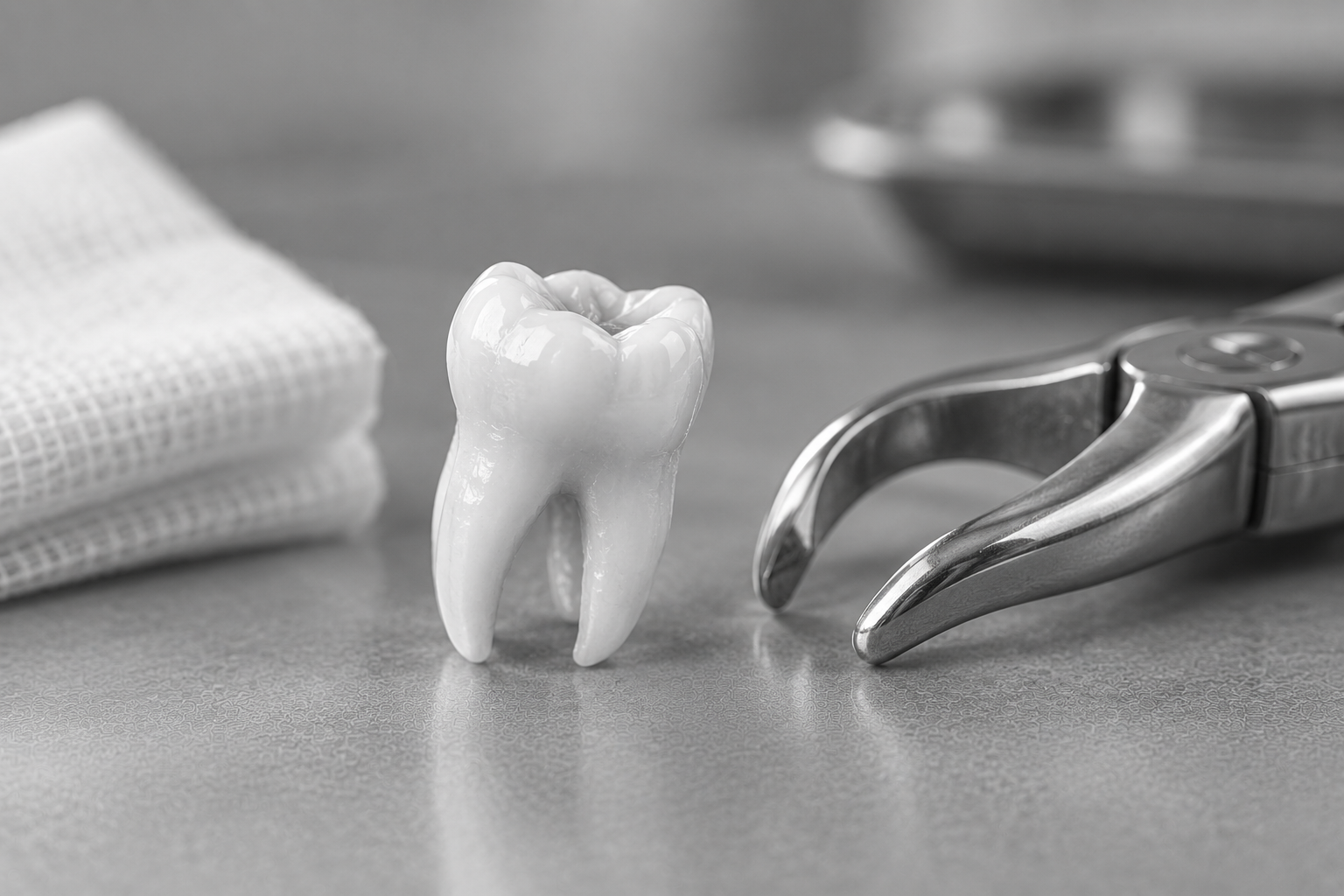
Although preserving natural teeth is always our priority, there are situations when removing a tooth may be the most appropriate treatment. Before recommending an extraction, we carefully evaluate the condition of the tooth, surrounding gums, and supporting bone to determine whether the tooth can be predictably restored.
Common reasons for tooth extraction include:
Severe tooth decay: When a cavity has caused extensive damage that cannot be reliably repaired with a filling or crown.
Fractured or broken teeth: When a tooth is damaged beyond repair, particularly if the fracture extends below the gumline.
Advanced gum disease: When significant loss of supporting bone has caused a tooth to become severely loose or compromised.
Dental infections: When an infected tooth cannot be predictably saved through root canal treatment or other appropriate care.
Other dental concerns: Certain teeth may need to be removed as part of a comprehensive treatment plan.
At Stream Valley Dental, we believe that tooth removal should be recommended only when clinically appropriate. We take the time to explain your options so you can make an informed decision about your dental health.
-
Tooth extractions are generally performed using local anesthesia to numb the tooth and surrounding tissues. While you may feel pressure or movement during the procedure, our goal is to minimize pain as much as possible. Some soreness, swelling, or discomfort afterward is normal and typically improves over the following days. At Stream Valley Dental, we prioritize your comfort and encourage you to communicate any concerns throughout your appointment.
-
Initial healing after a routine tooth extraction generally takes several days to one or two weeks, although the timeline varies depending on the tooth removed, the complexity of the procedure, and your individual healing response. Most patients can gradually return to normal daily activities within a few days, while the underlying bone continues to heal over a longer period. Following your post-operative instructions helps support proper healing and reduce the risk of complications.
-
For the first few days following an extraction, soft foods are generally recommended. Avoid hard, crunchy, or chewy foods that could irritate the extraction site. You should also avoid drinking through a straw, smoking, or vigorous rinsing during the initial healing period, as these activities may disturb the blood clot and increase the risk of complications.
-
Yes. In some cases, extracting an infected tooth may be necessary when the tooth cannot be predictably saved. However, many infected teeth can be treated successfully with root canal therapy or other appropriate dental procedures. We carefully evaluate the extent of infection, the condition of the tooth, and your overall health before recommending treatment. Certain infections may require additional management or referral to a specialist.
-
Replacing a missing tooth is often recommended to restore chewing function, maintain your bite, and help prevent neighboring teeth from shifting. Depending on the location of the missing tooth and your oral health, replacement options may include a dental bridge, removable partial denture, or dental implant. Not every extracted tooth requires replacement, and we can help you understand which options are appropriate for your individual situation.
-
Many dental insurance plans provide coverage for medically necessary tooth extractions, although the amount covered depends on your specific plan, deductible, annual maximum, and treatment limitations. At Stream Valley Dental, we can help review your insurance benefits and provide an estimate of your expected out-of-pocket costs before treatment.