

Root Canal Therapy in Derwood, MD
Root Canal Therapy
A root canal can help relieve dental pain, treat infection, and most importantly, save a natural tooth that might otherwise need to be removed. When the tissue inside a tooth becomes inflamed or infected because of deep decay, a crack, trauma, or another dental problem, a root canal allows us to treat the source of the problem while preserving the tooth.
At Stream Valley Dental in Derwood, Maryland, we provide root canal therapy for patients throughout Derwood, Rockville, Gaithersburg, and surrounding Montgomery County communities.
Focused on Your Comfort
We understand that hearing you need a root canal can make some patients feel nervous. Our approach is focused on keeping you comfortable, explaining each step of your treatment, and making the experience as straightforward and stress-free as possible. With modern techniques and effective local anesthesia, root canal treatment is often much more comfortable than patients expect.
What to Expect
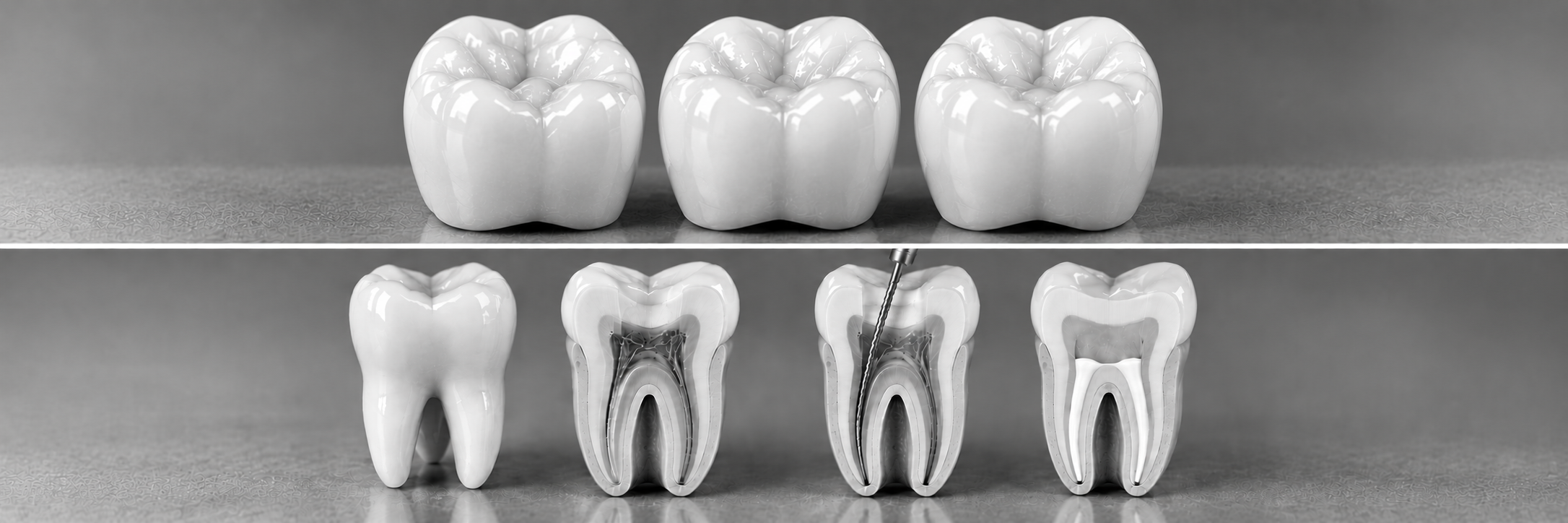
During treatment, we carefully clean and disinfect the inside of the tooth before sealing it to help prevent future infection. Once the root canal is complete, the tooth may need a filling, build-up, or dental crown to restore its strength and protect it for the future. We will explain your options and recommend the restoration that is most appropriate for your individual tooth.
Whenever possible, our goal is to help you keep your natural teeth. While many root canals can be comfortably treated right here at Stream Valley Dental, some teeth can have more complicated anatomy, previous treatment, or other conditions that benefit from specialized care.
When a Specialist May Be Recommended
When a root canal is particularly complex, we may recommend a referral to an endodontist (a dentist who specializes in root canal treatment) to make sure you receive the most appropriate care.
What Are the Signs That You May Need a Root Canal?
Root canal treatment may be necessary when the soft tissue inside a tooth, known as the dental pulp, becomes inflamed or infected. Symptoms can vary, and some teeth requiring treatment may have little or no discomfort.
Common signs that a tooth may need root canal treatment include:
Persistent tooth pain: Ongoing or recurring pain, particularly when biting or chewing.
Sensitivity to hot or cold: Discomfort that lingers after the hot or cold stimulus has been removed.
Swelling or tenderness: Swollen or tender gums near the affected tooth.
A pimple-like bump on the gums: A small bump that may indicate drainage from an infection near the tooth.
Tooth discoloration: A tooth that becomes noticeably darker, particularly following an injury.
A cracked or damaged tooth: A fracture or deep cavity that exposes or irritates the dental pulp.
These symptoms do not always mean that a root canal is necessary. A thorough dental examination, appropriate X-rays, and diagnostic testing are needed to determine the cause and recommend treatment.
At Stream Valley Dental, we carefully evaluate each tooth to determine whether root canal therapy or another treatment is the most appropriate option.
-
Root canal treatment is generally much more comfortable than many patients expect. Local anesthesia is used to numb the tooth and surrounding tissues, helping minimize discomfort during the procedure. In fact, root canal therapy is often performed to relieve pain caused by an inflamed or infected tooth. Some mild soreness or sensitivity afterward is normal and typically improves within a few days.
-
Root canal treatment can often be completed in one or two appointments, depending on the tooth's anatomy, the extent of infection, and the complexity of treatment. Some teeth require additional visits to ensure that the root canal system is adequately treated before the tooth is permanently restored. We will explain the anticipated treatment process during your examination.
-
Not every tooth requires a crown following root canal treatment. However, back teeth, particularly molars and premolars, frequently benefit from crowns because they experience significant chewing forces. The need for a crown depends on the location of the tooth, the amount of remaining healthy tooth structure, and the condition of any existing restorations. We evaluate each tooth individually to recommend the most appropriate long-term restoration.
-
A tooth that has undergone successful root canal treatment can often last for many years and, in some cases, a lifetime. Its longevity depends on factors such as the amount of remaining tooth structure, the final restoration, oral hygiene, and the health of the surrounding gums and bone. Regular dental examinations help monitor the treated tooth and identify potential concerns early.
-
Whenever possible, preserving a natural tooth is generally preferable to removing it. Root canal therapy can eliminate infected or inflamed pulp while allowing the tooth to remain functional. Extracting a tooth may create a need for replacement with a bridge, denture, or dental implant. However, some teeth are too severely damaged to be predictably restored. We carefully evaluate your tooth and explain the available options before recommending treatment.
-
Many dental insurance plans provide partial coverage for root canal therapy when the procedure is medically necessary. Coverage varies depending on the tooth being treated, your insurance plan, deductible, annual maximum, and other limitations. At Stream Valley Dental, we can help review your benefits and provide an estimate of your expected out-of-pocket costs before treatment.